
In Uganda today, young people face mounting pressures that threaten not just their futures, but the very fabric of our communities. With youth unemployment hovering around 16% (and far higher in urban areas like Kampala), nearly half of those aged 18–30 neither in education, employment, nor training, and rising concerns over substance abuse, mental health struggles, and social disconnection, despair can feel inevitable.
Yet, these challenges did not appear overnight. They are the result of small, unnoticed threads loosening over time, threads we once thought too minor to mend.
Alongside my work as a teacher of ICT, I am deeply involved with youth and pre-teens, guiding and mentoring them in Nabbingo where I work – I see this erosion daily. A recent encounter on a long bus journey reminded me how even the simplest symbols can reveal profound truths about our shared responsibility.
It was a cold, boring night. I sat in a bus to Okape High School in Soroti, where I had technical work scheduled. Several hours stretched ahead, the initial chatter had faded, and passengers resigned themselves to staring into the darkness, dozing, or scrolling aimlessly on their phones. Beside me sat an elderly gentleman, neatly dressed, his boredom mirroring mine. He broke the silence with polite questions: Where are you headed? Where do you come from? What do you do?
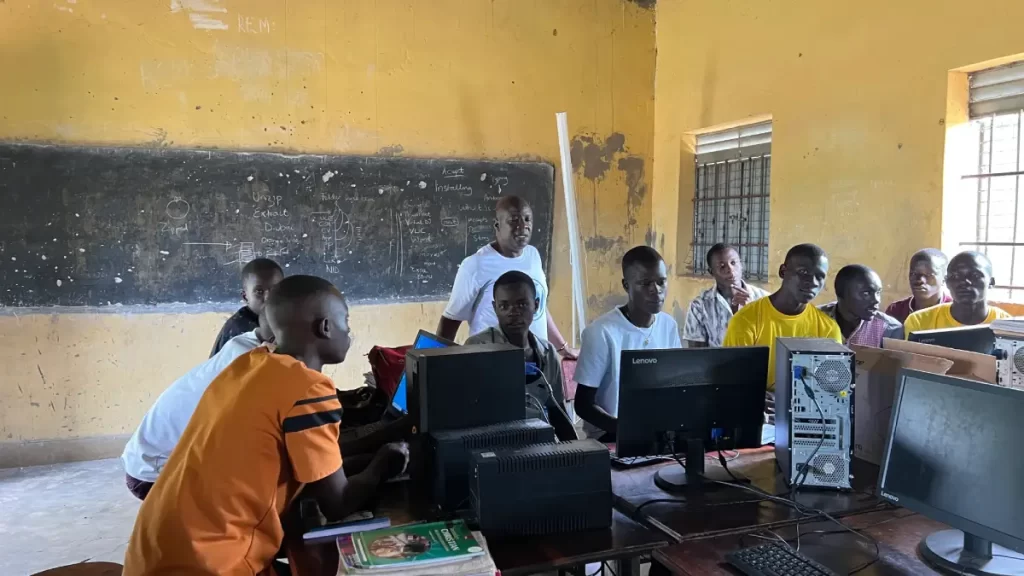
Relieved from the distraction, I shared that I am a teacher by profession and also actively dedicated to supporting young adults in my community through mentorship, skills-building, and addressing everyday struggles. His face lit up. He, too, had been a teacher, now retired. He spoke fondly of the 1970s, when teachers were instantly recognizable in any community, not just by their knowledge, but by how they carried themselves: their neat dress, respectful speech, and disciplined behavior. Standards were high, and society expected them to be upheld.
Curious, I asked if something about my own appearance fell short. He smiled sheepishly and pointed to my bag.
At first, I didn’t understand. My bag wasn’t torn or filthy. It was functional, the same one I’d carried for months. But he explained patiently: the threads on the handles were fraying. Several loose strands at the part where the handles were attached to the bag itself. I’d noticed but ignored them, thinking it didn’t matter yet. “One day,” he said, “those handles will give way entirely, spilling everything inside. And by then, it may be too late to save what’s valuable in there.”
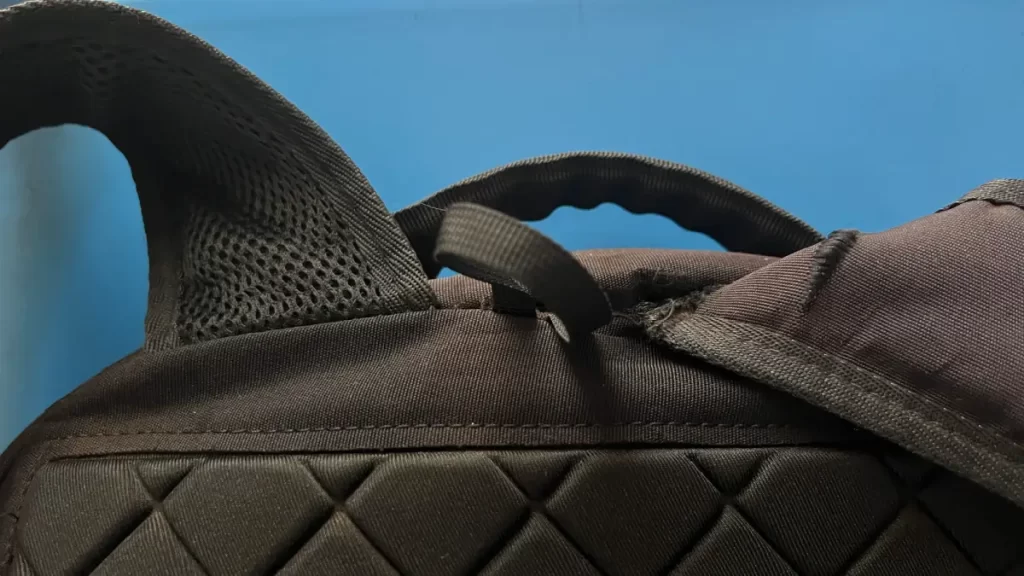
His words struck deep. That bag, like our communities, wasn’t in ruin but it was quietly deteriorating. We accept small compromises: a little neglect here, a lowered standard there. We tell ourselves it’s minor, that it won’t spread. Yet over years, these small threads of disregard accumulate.
What began as minor lapses in personal presentation, community accountability, or youth guidance has grown into widespread issues: idleness breeding frustration, unemployment pushing some toward substance abuse (with alarming rises in cannabis, khat, kuber, and harder drugs among the young), eroded family structures, and a sense of moral drift that leaves many young adults feeling directionless and hopeless.
As a person who works with youth daily, I witness this every day. Alongside my work in the classroom, I organize skills workshops, mentorship sessions, and community dialogues to rebuild confidence and opportunities. We discuss job creation, entrepreneurship, and resisting peer pressure toward risky behaviors.
But the retired teacher’s point lingers: prevention starts small. Just as tightening one thread on a bag can delay disaster, intentional acts like parents modeling discipline, leaders enforcing standards, communities investing in youth programs and more can halt the slide. Ignoring the first loose threads invites collapse.
The rot we see among our youth, the despair, disengagement, and desperation did not erupt suddenly. It grew from tolerated neglect: overlooked education gaps, unaddressed economic pressures, and fading communal values.
My bag is a mirror. If we keep ignoring the fraying handles, whether in how we present ourselves, guide our young people, or hold our communities accountable, the contents we value most (our harmony, our future generations, our shared dignity) risk spilling out irreparably.
But there is hope. As a community, we can choose to act now. Mend the threads one by one: through continued co-counselling active mentorship, advocating for skills-aligned opportunities, fostering open conversations about mental health and substance risks, and restoring pride in personal and communal standards.
The bus ride ended, but the lesson endures. Our communities are only as strong as the care we give their smallest threads. I am committed to helping others notice that we should tighten the threads before they break because the future of Uganda’s youth, and our nation, depends on it.